What marketing looks like inside publishing

Today I want to talk about specific tactics about selling your books or creative work. If you are a writer or artist struggling to figure out how to get your work out there (and sold!), this is for you. I’ll be framing the examples squarely on the book industry, but much of it applies to other creative fields. Okay, let’s start off with a doozy:

Nothing sells books.

Meaning: no specific strategy is widely known to sell books. For any recommendation you hear from one person of a tactic that seemed to sell books for them, you will read another detailed post from a different author who felt they wasted their time and energy on it, with zero results.

What many authors are left with is a laundry list of book marketing strategies that they move through, quickly determining that each of them wasn’t the magic idea they hoped it would be. The result is that it would be easy for a writer to justify that:

  • Social media doesn’t sell books
  • Online events don’t sell books
  • Book readings don’t sell books
  • Newsletters don’t sell books
  • Podcasts don’t sell books
  • Collaborations don’t sell books
  • Social media ads doesn’t sell books
  • Print ads don’t sell books
  • … and so on

Why? Because they feel frustrated and powerless in understanding where to spend their limited resources. If none of these tactics are guaranteed to help you sell a single copy of your book, does that mean you should skip them?

Nope.

I have been revisiting some older essays I wrote, and I found this one from my trip to BookExpo in 2015. This is a trade show for the publishing industry, where publishers, distributors, licensors, booksellers, librarians, and many others come together to do business.

Because publishing is a business.

What drives the show is people wanting more exposure for their books. Around this same time, my friend Emma Dryden (who works with children’s book writers and illustrators) shared an analysis she did on how many people may touch a book inside a traditional publishing process. Obviously, each publisher and book is different, so your mileage may vary.

Emma framed this as, “Publishing personnel who each typically read and/or work on an author’s book in some capacity before, during or after the book is published.” Get ready to scroll:

  1. Publisher
  2. Deputy Publisher
  3. Editorial Director
  4. Editor
  5. Editorial Assistant
  6. Creative Director
  7. Art Director
  8. Designer
  9. Production Director
  10. Production Manager (oversees production: paper, printing, binding, specs, etc.)
  11. Production Assistant
  12. Pre-Press Operator
  13. Managing Editor
  14. Production Editor (oversees and coordinates schedules, copy editing, etc.)
  15. Assistant Managing Editor (aka Copy Editor)
  16. Marketing Director, Trade
  17. Marketing Associate
  18. Marketing Director, Education/Library
  19. Digital Marketing Coordinator
  20. Marketing Assistant
  21. Ad/Promo Director
  22. Advertising Director
  23. Publicity Director
  24. Associate Publicist
  25. Subsidiary Rights Director
  26. Subsidiary Rights Manager
  27. Sales Director
  28. National Accounts Director
  29. National Accounts Manager
  30. Online National Accounts Manager
  31. Sales Associate
  32. Demand Planning Director
  33. Demand Planner
  34. Reprints Associate
  35. General Manager (oversees business: P&Ls, finances, royalties, etc.)
  36. Financial Analyst
  37. Business Manager
  38. Contracts Director
  39. Contracts Manager
  40. Royalty Manager
  41. Royalty Assistant

Her footnotes:
+ PLUS Sales Representatives (independents, chains, online, chains, special sales)
+ PLUS Other assistants and associates within each department
+ PLUS Permissions Director, Legal Counsel, and other personnel who may not read/work on every book, but who are on staff to assist when required.

In our chat she mentioned that many new authors may know nothing of this process, and when trying to emulate their heroes, eschew the idea of having to embrace various elements of the publishing process. Yet, to some capacity, each author goes through their own version of these parts of the process.

In walking the show floor at BookExpo that year, I was thinking about the elephant in the room that some writers either don’t know about, or don’t want to know about: that to write is one thing (it is the first thing!); but to sell, is another thing entirely.

We like to think that a good book sells itself. Looking around at the enormous show floor at BookExpo, I had to consider otherwise.

 

For a writer, if they want their book to find an audience, to ignore the marketing process is to ignore how books have found readers for generations. As I journeyed through BookExpo, I considered: what are all of the sales and marketing tactics being used to sell books here? A partial list:

  1. I have to start with this one: the first great sales tactic to sell a book is to indeed write a great book!
  2. Location (the Javits Center in NYC is flashy, centrally located, and expensive)
  3. Booths and booth design (you see lots of different strategies here)
  4. Free books, including advanced copies of highly anticipated books that won’t be published for months.
  5. Costumes (yes, there were people in costumes promoting books)
  6. Autographs from authors
  7. Celebrities
  8. Swag: free stuff
  9. Posters & banners (some 30 feet tall)
  10. Panels, sessions, concurrent events. In some of these situations authors become teachers, but in all the person on the stage is facing their fear of public speaking. My gut is that many of them would classify themselves, to some degree, as an introvert.
  11. Buzz panels — where certain books are pitched more fervently than others.
  12. Contests and awards (some are simple contests within a booth, but others are juried awards)
  13. In-person meetings (loads of these, with some huge portions of the show floor segmented off for these)
  14. Sales material, sales pitches, demos, etc.
  15. Social media (promoting hashtags, etc.)
  16. Parties (lots of these in the evening, it’s not uncommon for someone to try to pop into multiple parties on a single night.)
  17. Free alcohol (yes, they actually roll out these mobile bars onto the show floor at the end of some days)
  18. Free food, such as promotional cupcakes with book covers on them.
  19. Lots of messaging, links, business cards, and other ways to follow up after the show.
  20. Singing (yes, I’m serious)
  21. Nonverbal communication, such as smiling, body posture, and other cues
  22. Nice clothes. There I said it: we all had to tuck in our shirts for this event.

One huge thing worth noting: many of these are age-old sales tactics, as relevant in 1975 or 1925 as they are today. Even though BookExpo as an event has an uncertain future, these same tactics will remain — just in a different guise.

I speak to a lot of writers and creators who struggle to connect their book with an audience, and are frustrated by that. Yet when I look around at BookExpo, I see a massive effort to do the same thing. This is what they looked like in 2015:

Enormous banners in the glass atrium:
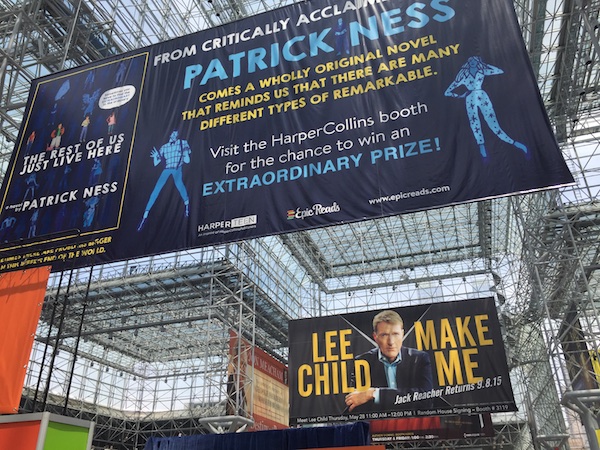
 

What is so interesting is that the Wimpy Kid series is a runaway success. Yet, the publisher still feels that a 30 foot tall banner is needed:

The woman on in the center is protecting advanced reader copies… there is a long line waiting to grab them:
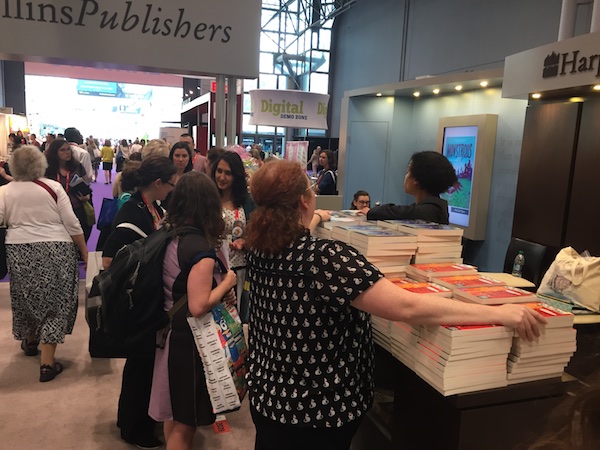
They couldn’t open these boxes fast enough, advanced copies of City on Fire:
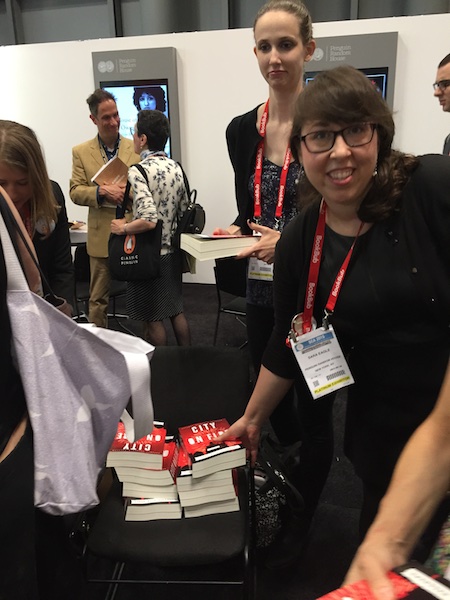
 

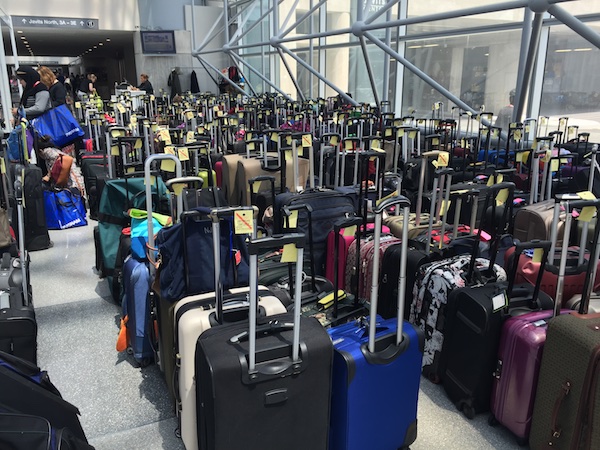
Evidently, a lot of attendees bring an empty suitcase, and then spend the show filling it up with free books they receive:
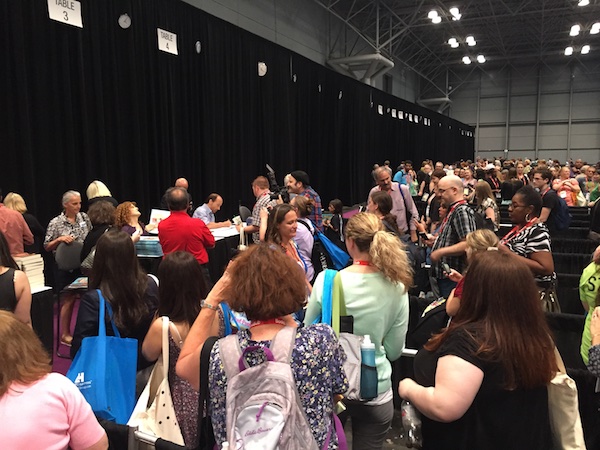
There is a huge autographing area. In this photo, we see Bernadette Peters signing on the left:
 

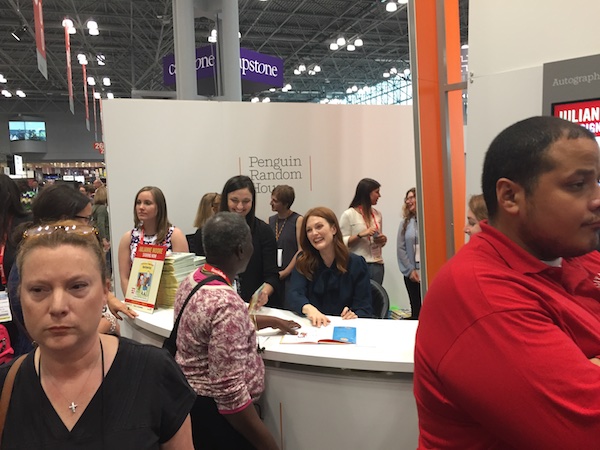
There are also in-booth autographs. Here we see Julianne Moore:
 

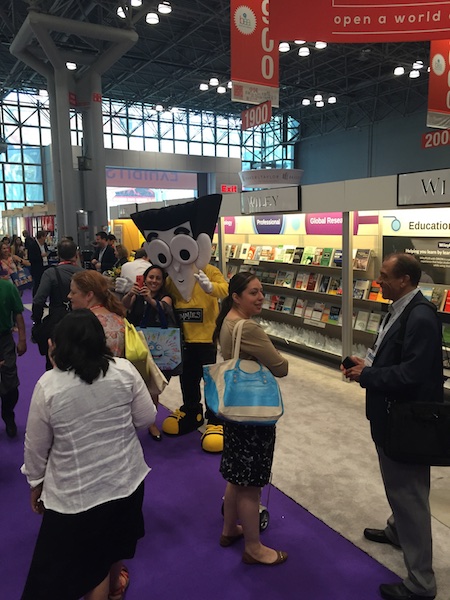
There were costumed characters:
 

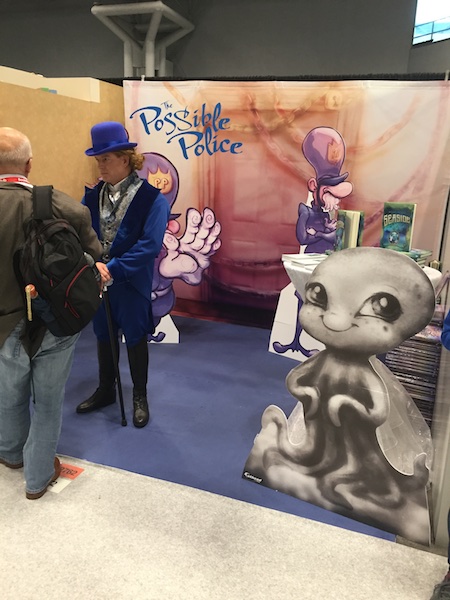
And costumed authors:
 

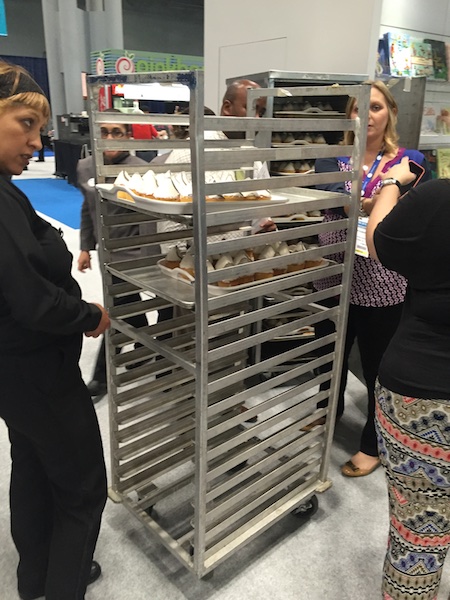
Cupcakes being readied to be given away:
 

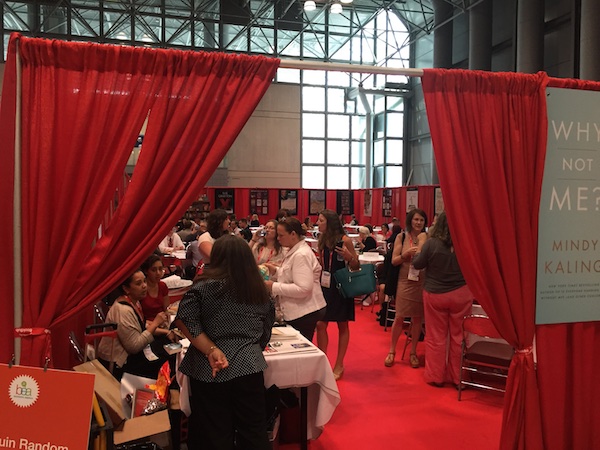
Publishers have their own large private meeting areas. This one is for Penguin Random House:
 

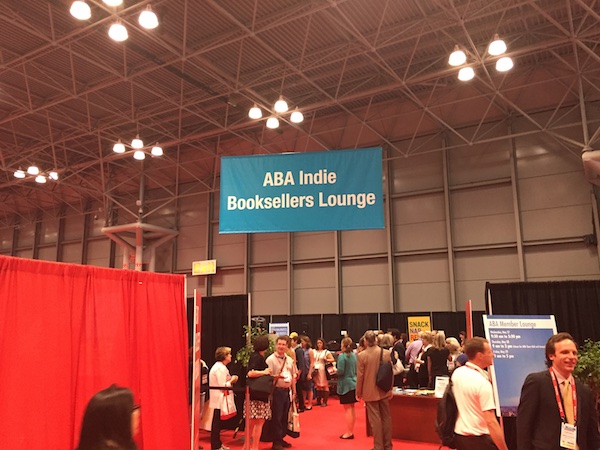
The American Booksellers Association created an Indie Bookseller lounge:
 

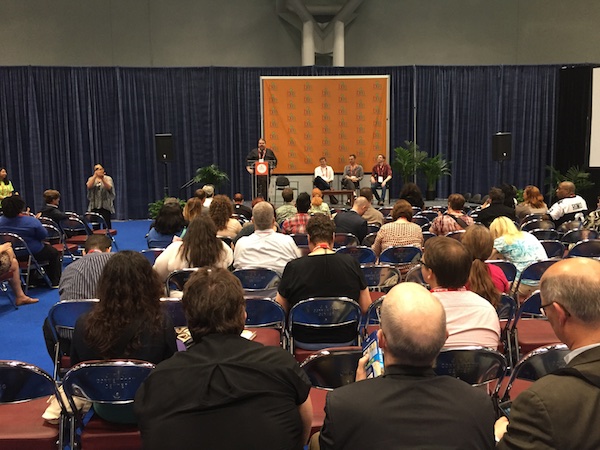
Here is a panel discussion featuring a writer and illustrator for some of Marvel’s Star Wars comics:
 

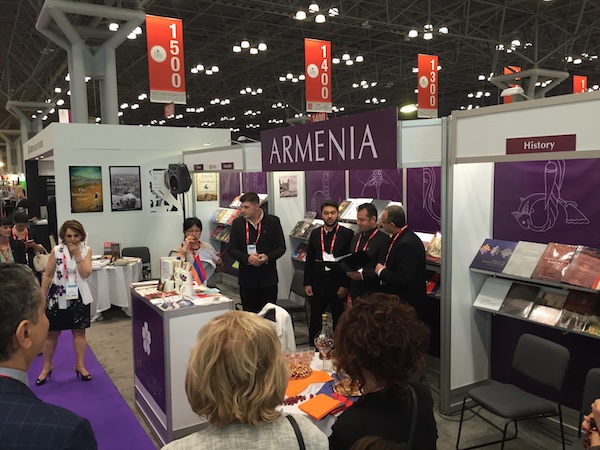
Of course, there were rows and rows of booths — so big that you needed a map to find anything:

 

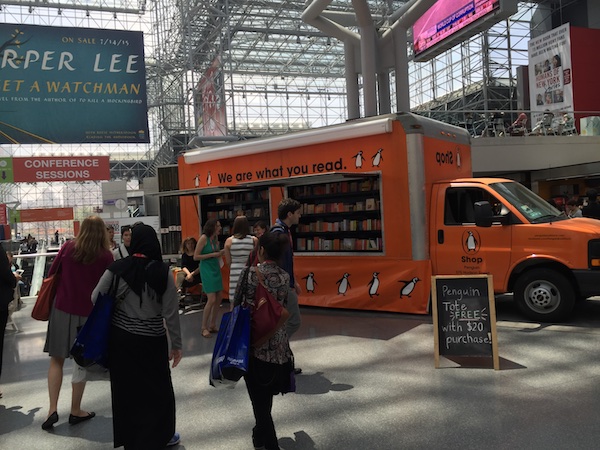
Penguin brought in a branded book truck:
 

There were singers:
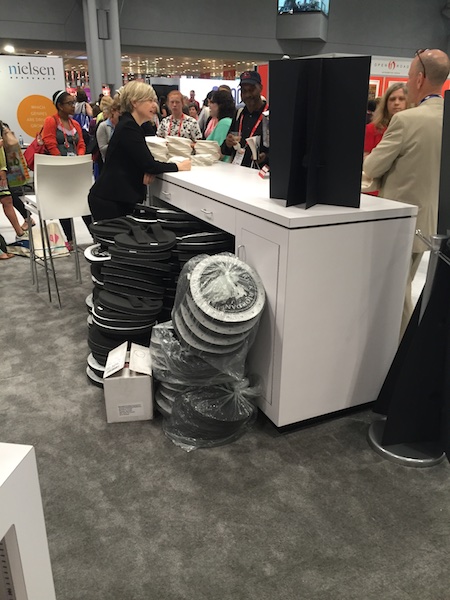
Free foam shields for a Rick Riordan giveaway:
 

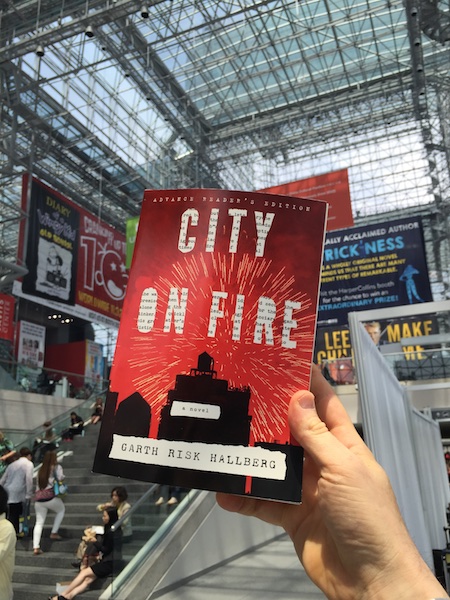
And so much more that I didn’t capture in photos. What are the lessons that an individual author can take from this? Well, let’s look at one book I was able to get, an advanced copy of City on Fire, which seemed to be highly anticipated at the show:
 

As I started to read it on the train ride home, I noticed this inside the back flap, a long list of “Marketing Plans”:
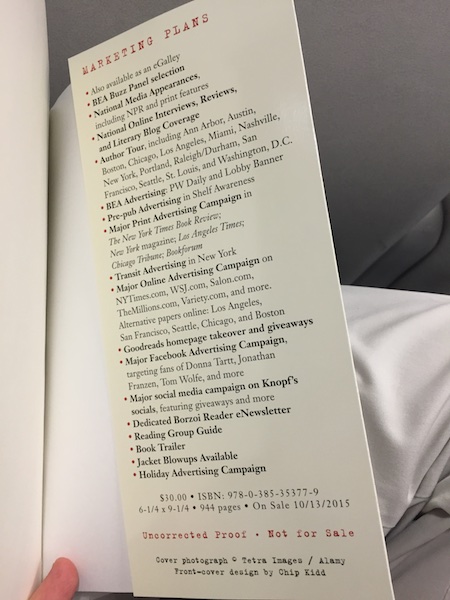
 

The book wouldn’t be released for another six months, but there are already blurbs when you open the book, and a long list of major promotion that the publisher is planning.

Did any of these individual tactics — a specific costume, a specific cupcake, a specific banner — sell a single book? Likely not. But in total, it is fascinating to look at the scope of strategies the industry uses, and how combined together, they help spread the word about a book.

Today, we would add additional tactics to the list, of course, many of them being digital.

I keep all of this in mind as I work with writers and creators each day, helping them get clarity on how to present their work, identify their ideal audience, engage them, and launch their books. This work is multifaceted, and can be filled with joy. It can speak to who you are authentically, and not force you to be promotional in a way that feels uncomfortable.

Marketing is sharing, and the opportunity that we each have is to share what we create in a way that feels meaningful.

So many of the examples I shared in this post had nothing to do with social media. I’ve written that you can have a platform without social media, but you have to be open to the kind of work involved with that.

For a great primer to get started on your own marketing, check out my book Be the Gateway: A Practical Guide to Sharing Your Creative Work and Engaging an Audience, or the PDF and 2+ hours of video walking you through my Creative Success Pyramid.

Thanks!

-Dan

What I’m learning from writers and artists…

I’m wrapping up the current season of my podcast, The Creative Shift with Dan Blank, and today I want to reflect on what I’ve been learning from the writers and artists I have been talking to. Each conversation is a deep look into not only what it means to effectively share your writing and art, but to also feel a sense of personal fulfillment and purpose in the process.

Rebecca GreenIt is appropriate to end the season with an interview with artist and writer Rebecca Green. This is the third time I’ve interviewed her. With more than 270,000 Instagram followers, Rebecca has forged an amazing career writing and illustrating books, and with a wide array of other artistic projects.
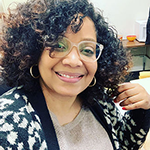
In our first conversation back in 2018 we talked about creative burnout.

The next time we spoke in 2019, we discussed how her work was evolving and the creative process.

When we chatted recently, we discussed the risk involved in changing her creative direction. You see, she has done well as an illustrator of other people’s books, but what she has realized is that the book she wrote and illustrated herself delivered the kind of long-term value she wants more of. She says:

“It’s scary to say no to picture book projects because they are so big. On the flipside, I know how big they are, so it gets easier to say no to them. Because I’ve said yes to enough ‘no’ projects, to know that I shouldn’t have taken this on. I know what those projects entail. I know that I can put all of that energy that I would invest in those into something else that will take me farther.”

What would take her farther? She referenced the 2017 book she wrote and illustrated, How to Make Friends with a Ghost, and how being the illustrator of her own writing has lead to more overall creative and career growth. She mentioned that she just spent more than 1.5 years developing a proposal that she recently submitted to develop as a book. These things take time, they are more uncertain, yet… they could have more overall value than short-term work that has a clear start and end date, and a negotiated paycheck.

She also wants to focus on more 3-dimensional artwork, and mentioned doing window displays and menus for small businesses. This was fascinating to me, and I mentioned to her that this may be surprising to many artists who are just trying to get their foot in the door of a viable career in the arts. Why? Because many of them dream of illustrating books, or doing paid editorial illustration, or teaching workshops — all things Rebecca has done many times. These artists may say they feel “stuck” taking small projects to illustrate a menu, or do a local store window display, as if this work is what they will take just to pay the bills, but not really see it as their goal or even enjoyable.

As always, I loved Rebecca’s honesty in this conversation. She described it this way: “I love for my work to exist in the real world, the tactile world. I like for everyone to be able to react with that. It’s world building. It may not be the best career decision, but it allows me to create different projects.”

She also talked about giving herself permission to follow her creative inspiration and not feel too much pressure to always be “the artist.” She has enjoyed just feeling like a human being exploring her inspiration. My favorite quote from her during our conversation:

“I just want to go to a salvage yard, find an old doorknob, and clean it for 4 hours.”

What does the doorknob represent? Perhaps it is being immersed in the creative process without worrying about productivity. About being a person, not a brand. Of feeling you have the space to pursue your vision when you don’t know where it will lead.

Earlier this year she announced that she was taking a break from social media. I asked about this, and she said:

“I was scrolling mindlessly [on Instagram], and it felt awful every time I did it. I would feel jealous of everything I saw, even if it wasn’t something I wanted. My life is wonderful, so why am I scrolling through and feeling jealous of everyone else’s life, and like I’m not doing enough? It always feels like not enough. It’s very overwhelming. I just needed a break. I felt like a lot of my identity and work was wrapped up in it, an app and a community. Since taking a break, I feel quite light, and feel a lot better and can reassess how it fits into my life. I feel more human than machine – than artist.”

But, before you read into this that you can just give up on social media, she also talked about the value it brings to her life:

“There is no way I would have the career that I have without Instagram and social media. The way I have connected with people all over the globe, how when I move I am able to find and connect with local artists. When I have teaching opportunities, I know that a person wouldn’t have found me or trusted me to sell workshop spots if I wasn’t on social media. I know it is a huge part of selling a book that comes out, or getting future contract deals. Actually, now my contracts include social media requirements. I understand it sells books. I’ve always done that anyway, but it’s part of my job.”

She also talked about the value of being a part of an artistic community…

“In moving so much, I’ve realized that it’s really the people in your life that matter. Having an artistic community is important. Having those people is a really big part of your day to day. Every place has an artistic community for sure, but I wouldn’t say that every artistic community is the one that everyone needs.”

Angela AbreuThis is something that came up with another recent guest I spoke with, Angela Abreu. When she launched her book, she turned it into a performance, and sold 100 tickets. How did she attract an audience? She said:

“I had the supportive community, because I had been supporting them for all these years.”

She talked about how active she had been in her local writing community, helping her local bookstore and other writers. She said, “The doors to my apartment were open to creatives in the community.” She also found new ways to help other writers create and share their work by founding the Dominican Writers Association.

It was amazing to hear how she took this personal passion of being involved in the literary community, and found bold new ways to organize to support the kind of writing and writers she wanted to help succeed.

Emma GannonFor so many writers finding the way in to their own community, and even their own voice, is a difficult path. Emma Gannon told me how she pursued becoming a writer, turning rejection into success:
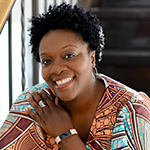
“I would get rejected once a day pretty much, from all magazines. No one wanted to publish any of my writing. What I would do is publish the articles on my blog, all of those rejected articles. All this writing, that for most people, might have just sat on their desktop. And people started reading it. Then the numbers grew. Then I had like 100,000 page views. People wanted to read it. I thought, this is so weird that some of the magazines I pitched were closing down, and yet people were reading my work.”

Since then, she has not only published multple nonfiction books, but recently released her first novel. She is also the host of the successful podcast, Ctrl Alt Delete. So much of what we talked about was how to turn your creative vision into a viable career path. She said, “I had so much creativity waiting to come out.”

Donna HemansEvery writer has their own version of this. As author Donna Hemas put it, “I had to figure out how to make writing the central part of my life.”
Her first two books were published nearly 20 years apart, and in our interview, she describes the difference in launching each. She also shares the journey between them, where she began two manuscripts that are still unpublished, only to find that her next idea was the one ready to be finished and shared with the world.

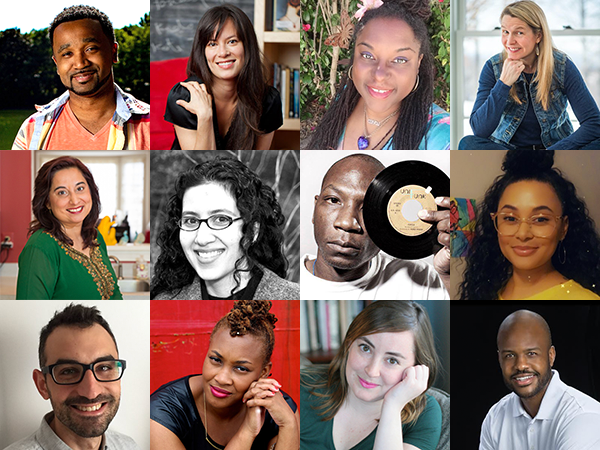
Overall this year, I kept thinking back to these conversations and others I have had recently. The words of Julian Winters, Andrea J. Loney, Naomi Jackson, Skeme Richards, and so many others been in my head again and again. I’ve always been inspired by the creative journey, and each of these people shared stories that I kept going back to — big decisions and wise lessons along the way. Here are just some of the people I have interviewed recently:

Every conversation has changed me in some way, which is why I continue to do the podcast. It truly makes my life richer. I hope the podcast has helped you in some way. If so, please consider two actions:

  • Let the guest know. Even if one insight helped you, email them and let them know.
  • Leave a rating or review for the podcast on Apple podcasts or wherever you listen to podcasts.

Thanks!

-Dan

“I had to think, what kind of artist am I, and what do I want to be doing?” My interview with Rebecca Green

Rebecca GreenThis is the third time I’ve interviewed artist and writer Rebecca Green, and each time we have tracked how she is transitioning her career to find more personal fulfillment in the creative process, as well as greater success. Today we talk about the risks she is taking in focusing more on certain kinds of artwork, the pros and cons of social media, why she loves her email newsletter, and the importance of an artistic community.

You can listen to the podcast by clicking ‘play’ below, or in the following places:

You can find Rebecca in the following places:
myblankpaper.com
Instagram: @rebeccagreenillustration

My mom and Muhammad Ali

Today I want to talk about a key skill that any author or artist needs if they want to share their work, develop a community of supporters, and establish their platform. No, it’s not some special button on Amazon, or the secret to social media ads.

It is how to ask.

Ask for what? For anything. For attention. For someone to buy your book. To attend an event. To review your book. To be there for you when you need them the most. This is work I do every day with writers.

In considering this, I realized I learned this skill from my mom and dad. So I would like to start with an example of asking, then dig into practical tips and advice for how you can do this for yourself.

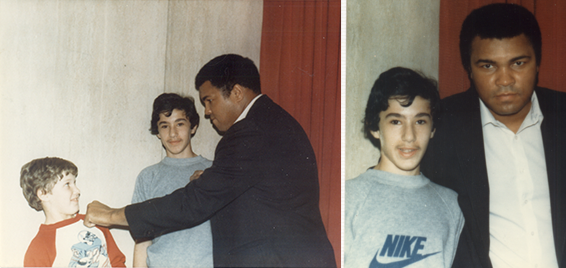
In the 1980s, my family and I had a small baseball card business. On the weekends we would set up a table at card shows and buy and sell cards with collectors. One weekend we did a show in Manhattan and one of the people signing autographs was Muhammad Ali. My mother paid for the tickets for us to meet him and waited on line with my brother and I. I was maybe 9 years old, and my brother around 13.

When we got up to the table, Ali signed autographs for us and shook our hands. I was in total awe. He was gracious and fully present.

But then, my mom, did something unexpected. She asked, “Can I take a photo of you with my boys?”

This was more than two decades before selfies were a thing, and in an era where sports shows didn’t offer photos with the celebrity guests. Ali said that there was a long line of people he didn’t want to keep waiting, but he would see what he could do later on.

Sure enough, a couple hours later, we heard an announcement over the PA system, “Would the woman who wanted to have her kids’ photos taken with Muhammad Ali please come to the front, he has to leave now.”

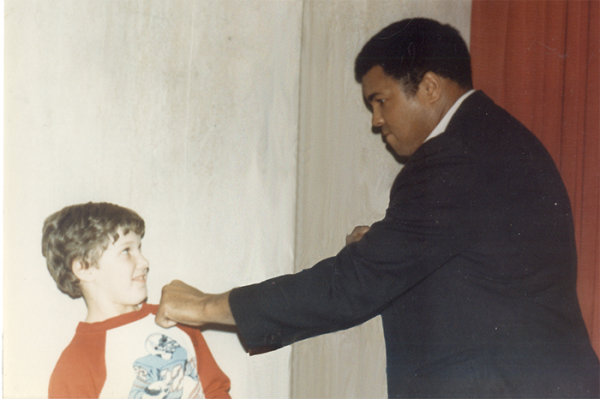
They took us into an empty corridor, and there in a random corner of the hotel, we began to pose to take a photo facing the camera. But then Muhammad stopped and said, “wait a minute,” he turned to me, and pretended to be throwing a punch as a pose for the photo. Here it is:


Okay, that is a (slightly) edited version of the original, which had my brother in the background, see below left. Plus he got his own photo with Ali:


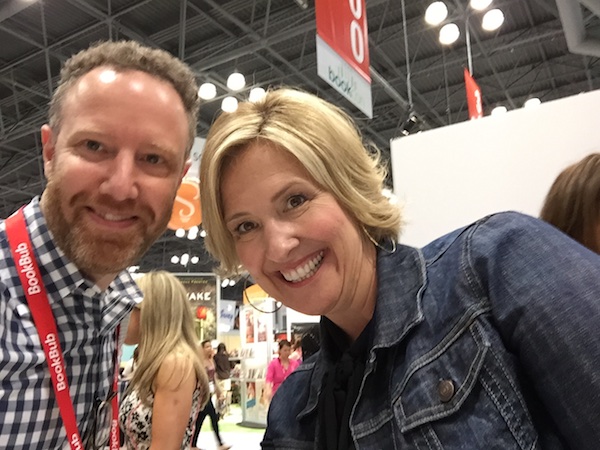
My mom did the unexpected in the moment. She took a risk and the results created one of the best moments of my life. Nowadays, this type of thing is more expected. When I met Brené Brown, I asked for a selfie and she was quick to agree:


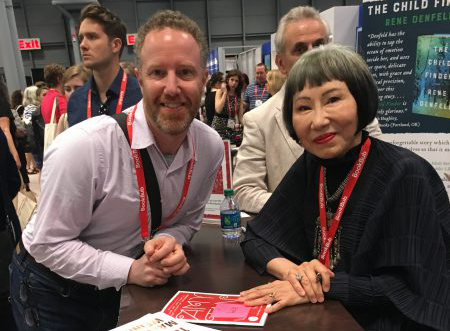
So did Amy Tan:


So much of marketing is not about doing the expected — the same practices as everyone else – but about doing the unexpected. I’m not talking about shock and surprise tactics, but rather, efforts that are authentic and meaningful.

Where might the skill of outreach and simply asking come in handy for a writer? Some ideas:

  • Emailing another author who writers in your genre to just say ‘thank you’ and perhaps establish a connection.
  • Asking for a book blurb.
  • Asking an author to be a part of a virtual or in-person book event with you.
  • Asking readers to subscribe to your newsletter.
  • Querying an agent or publisher.
  • Pitching yourself as a guest on the podcast.
  • So so so so so many other aspects of what it means to be public, share your work, and develop a platform around your writing.

Too many authors wait to do these things. They wait until just before book launch. They wait for a “perfect” ask. A perfect credential. But by then, they have often waited too long to really develop the connections they need. It’s the difference between:

Opening a restaurant in a town you have lived in for years, where you have developed relationships with other business owners, town officials, and neighbors.

Vs

Flying into a town you have never even visited, and later that same day, you begin walking around town to promote a brand new restaurant you are opening.

The first way is not only more effective, but it simply feels better.

As I considered my mom and Muhammad Ali, I remembered the many ways that my parents taught me to focus on outreach, connection, and relationships as being the core of what it means to share one’s work and find success.

  • My mom sold Tupperware in the mid-1970s
  • My mom sold Avon in the late 1970s to early 1980s
  • My parents had a stamp business in the 1970s
  • My family had a baseball card business in the 1980s and 1990s
  • My mom was a realtor in the 1980s and 1990s

It’s funny to consider how much of my childhood was spent behind a table at a show, watching my parents prepare orders, and joining my mom and/or dad on visits with customers and colleagues. Infused in every part of this was how they established a sense of clear communication and trust with the other person. My parents pursued these activities because they truly enjoyed them. And that meant that everything was more fulfilling when you cared about the people you were engaging with. I was able to observe thousands of asks during this time. My parents making deals, and ensuring that both they and their customers felt it was a fair trade.

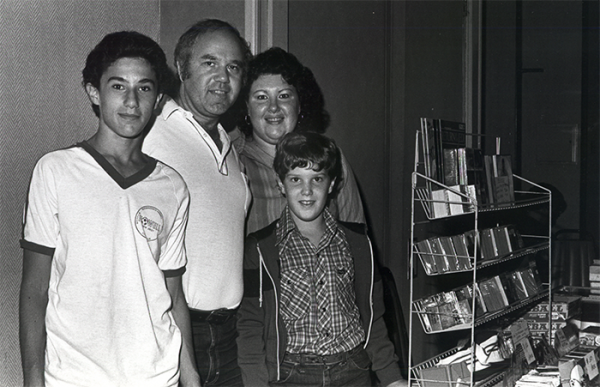
Here is my family behind our table at a show (I’m on the right):


My family developed friendships that lasted years and years with customers. I can still see their faces and hear their voices; the specific customers I would expect to see at different shows we went to year after year.

These were businesses built on connections between people, and their shared appreciations for the product they were there for. I’m actually getting emotional as I write this, which means there is a strong likelihood of you seeing an upcoming post of me titled, “What Authors Can Learn About Book Launches from Selling Avon in the 1970s.”

🙂

I would imagine that in your history, you have your own versions of this. Perhaps not in side businesses that your parents ran, but with someone you knew growing up who seemed to get stuff done because they knew about the value of how to engage with other people.

While that isn’t why a lot of people start writing, I do think it is a critical part of how writing gets shared: how readers engage. With the examples above, my parents weren’t selling random goods just to make a profit. They really liked what they sold and understood how these things helped people. They were businesses built on joy, appreciation, and connection.

How can you effectively ask other people for things that support your writing? Some tips:

  • Be clear. Too many people try to make the ask without ever actually asking. That usually leads to confusion and frustration.
  • Focus on one ask at a time, when possible.
  • Don’t hide the ask – put it up front. In other words, don’t write a 7 paragraph email, just hiding an ask in the middle of paragraph 6.
  • Understand if the ask is reasonable. Is it a small, but meaningful action? What steps would the person need to take and do they understand them?
  • Consider the objections the other person may have, and address them. This is not about “talking them into it,” but about empathy.
  • Consider how what you are asking could align to the goals/preferences of the person you are asking. How it would be something they truly want to do.

For instance, there is a difference between emailing a friend and asking:

“I was told I have to ask people to post reviews for my book on Amazon. I know it’s a pain, but I’m trying to get a hang of this author platform thing. Anything you could post would be great.”

Vs.

“You have been such a big supporter of my writing thank you. I want to ask if you could do something important: post a review of my book on Amazon? Doing so helps potential readers know if this book is for them. It means more people who will love this book may find it.”

The first one sounds like a chore, and the second is filled with purpose for both the person asking and the person being asked. Of course, asking works in both directions. You can also reach out to a writer you know and ask, “How can I help share your writing?”

Thanks!

-Dan

“I had the supportive community, because I had been supporting them for all these years.” My interview with Angela Abreu

Angela AbreuAngela Abreu is a writer, and founder of the Dominican Writers Association. She shares her own story of launching her poetry book, and how she turned it into a performance, selling 100 tickets with huge support from her network. She talked about the value of being a part of a literary community and how that forges the relationships you need to share your own work in a meaningful way. She also shares how she created the Dominican Writers Association and how that has grown to support so many writers.

You can listen to the podcast by clicking ‘play’ below, or in the following places:

You can find Angela in the following places:
dominicanwriters.com
@angysgotit
@dominicanwriters
Facebook
DomWriters